 Back
Back
History of the Holy shrine of Maria SS. of Tindari
Set on top of the rocky hill overlooking the centre of Rocca di Capri Leone, the Sanctuary dedicated to the Black Madonna del Tindari dominates the plain below like a large pulpit overlooking the Tyrrhenian Sea. From the panoramic pitch in front of the base, on which stands the imposing statue of the Madonna del Tindari, visible from this point are the Aeolian Islands, many centres of the Tyrrhenian coast and the surrounds of the Nebroid district. The first structure constructed on the rocky hill, of limestone dolomitic in nature, was a “Torre Colombaia” “Dovecote Tower” in a circular shape that belonged to the Cupane family (photo 1).
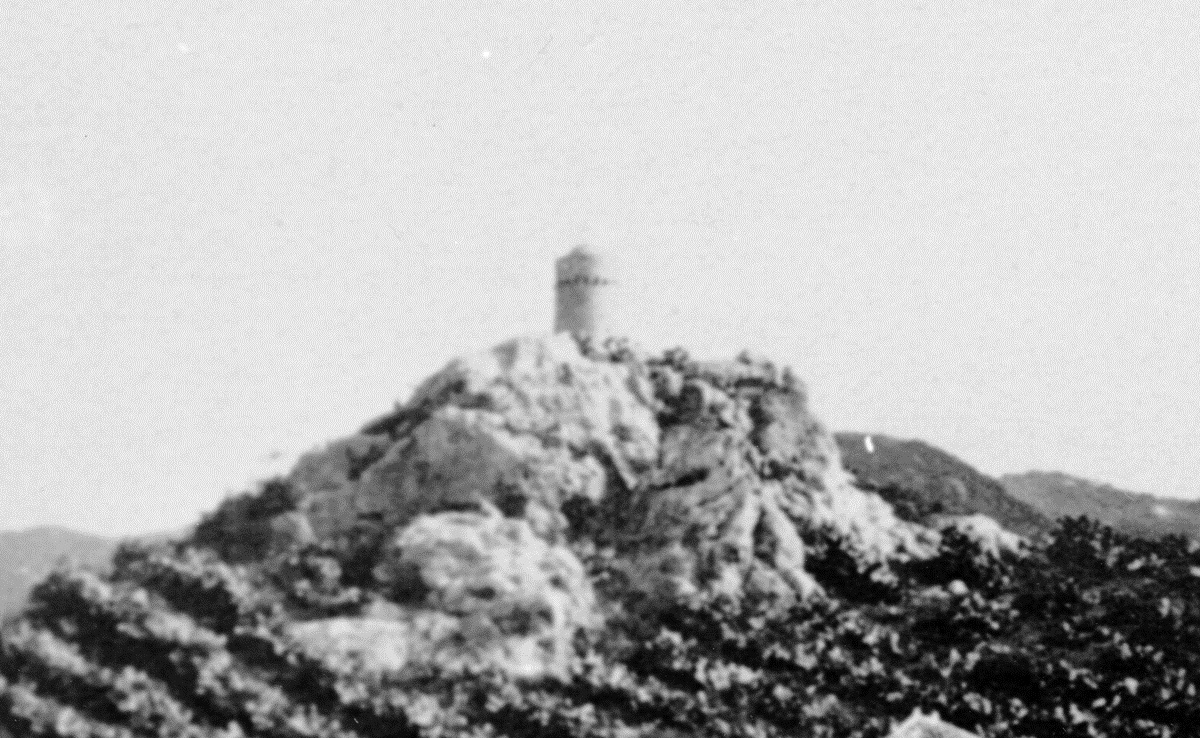 Photo 1
Inside there were cells for the breeding of birds, having as its main purpose agriculture, and in particular, the fertilization of the land, and subsequently the growing of food. It is also said that the Cupane family also kept some carrier pigeons in the dovecote, used in the late nineteenth and early twentieth centuries to communicate with their residence in Palermo. Between 1941 and 1943, with the onset of the Second World War, precisely because of its strategic position, a war post was built by the Italian-Germans, to counter the advance of the Allies, consisting of two pillboxes communicating with each other through a tunnel dug into the rock from north to south and which also served as a supply of air. The highest pillbox had three loopholes pointing south-west, west and north, while the lower one had only two loopholes pointing to the north and north-east (photo 2).
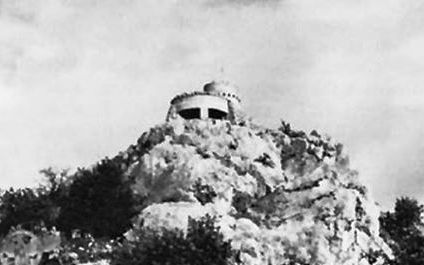 Photo 2
Contrary to what is claimed in several stories it is said that from this position never a shot was fired, the two shelters, together with the others located a short distance away, were the scene of battle; August 10, 1943 was a long day of battle during which the advance of the Allies slowed down. Using the pre-existing dovecote tower and the adjacent roof of the upper bunker, between 1956 and 1957, the war post was transformed into a place of worship (photo 3).
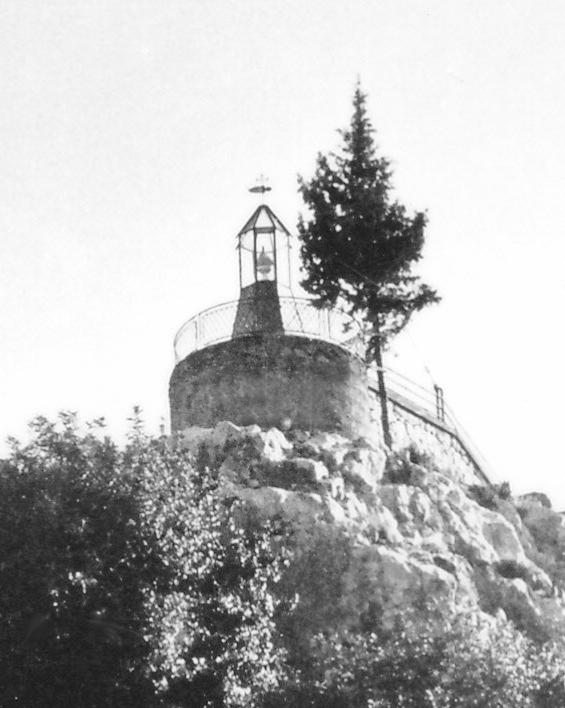 Photo 3
It happened later that the small statue of the Black Madonna of Tindari, donated by the Curia of Patti to the then newly erected Parish church of Maria Santissima del Rosario, was carried in pilgrimage, in the autumn of 1954, stopping in every house of the growing hamlet of Rocca, which, at the time, had almost reached 1000 inhabitants (photo 4).
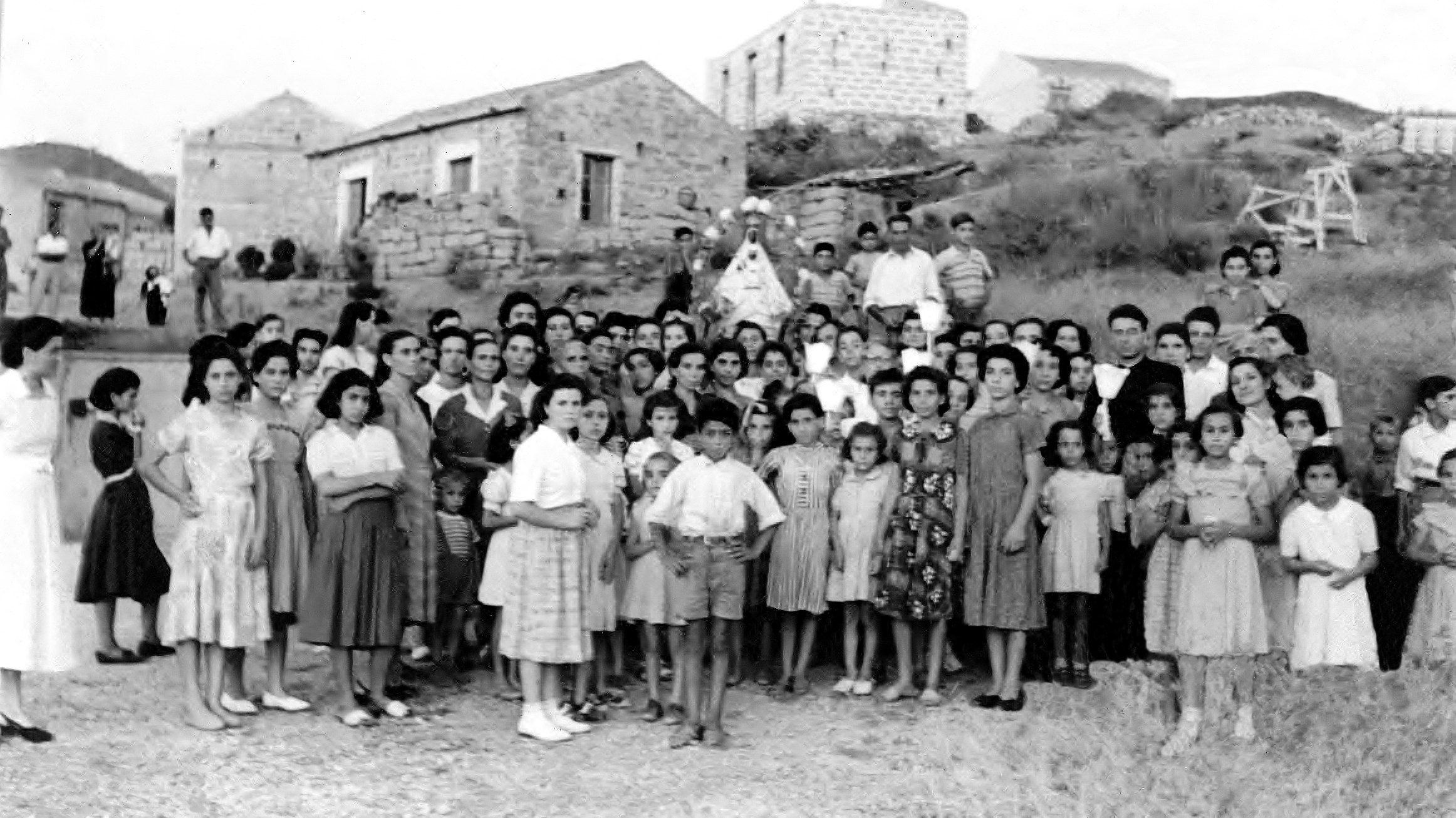 Photo 4
The statue remained, in a papier mache tabernacle made by Mr. Giovanni Messina, for about a year, inside the newly renovated and enlarged church of Our Lady of the Rosary, waiting to be settled in a definitive place. The choice of this place was not easy, because of the parochialism between the different districts of the hamlet that contended for the right to host the religious statue. During one of the many popular meetings, at which the then parish priest Don Filippo Caputo attended as the "moderator", a farmer, Agostino Russo, expressed his opinion in front of the attendees. Expressing himself in Sicilian he said "vû dicu io' unni l'aviti a mettiri 'a Madonnuzza, supra 'u palummaru di Cupani" (I tell you where you should put the Madonnina, above the dovecote of Cupane). The idea, initially not valued by those present, was supported by the brothers Basilio and Francesco Lazzaro, by the parish priest Filippo Caputo, by Salvatore Acciano and by the young Giuseppe Grasso (future long-time mayor of Capri Leone), who convinced everyone to consider the proposal of Agostino Russo the best among the many hypothesized. The last obstacle, however, was represented by the Cupane family, owner of the dovecote. At the request, by a delegation of the people led by Giuseppe Grasso and Giuseppe Triscari, the notable Cav. Felice Cupane, a man of great faith, did not hesitate to grant permission, declaring that he would never oppose the construction of a place of worship dedicated to the Madonna of Tindari. The viewing platform was built in front of the old dovecote, which still rests on the roof of the upper pillbox, to which the three lopholes were closed. The holes of the tower that allowed pigeons to enter the dovecote were then blocked, and an access door was built to the inside of the circular structure adapted to accommodate the statue of the "Madonna and Child" and the offertory. On the front, just above the door, was affixed the mosaic inscription "Mater Mea, Fiducia Mea" (photo 5).
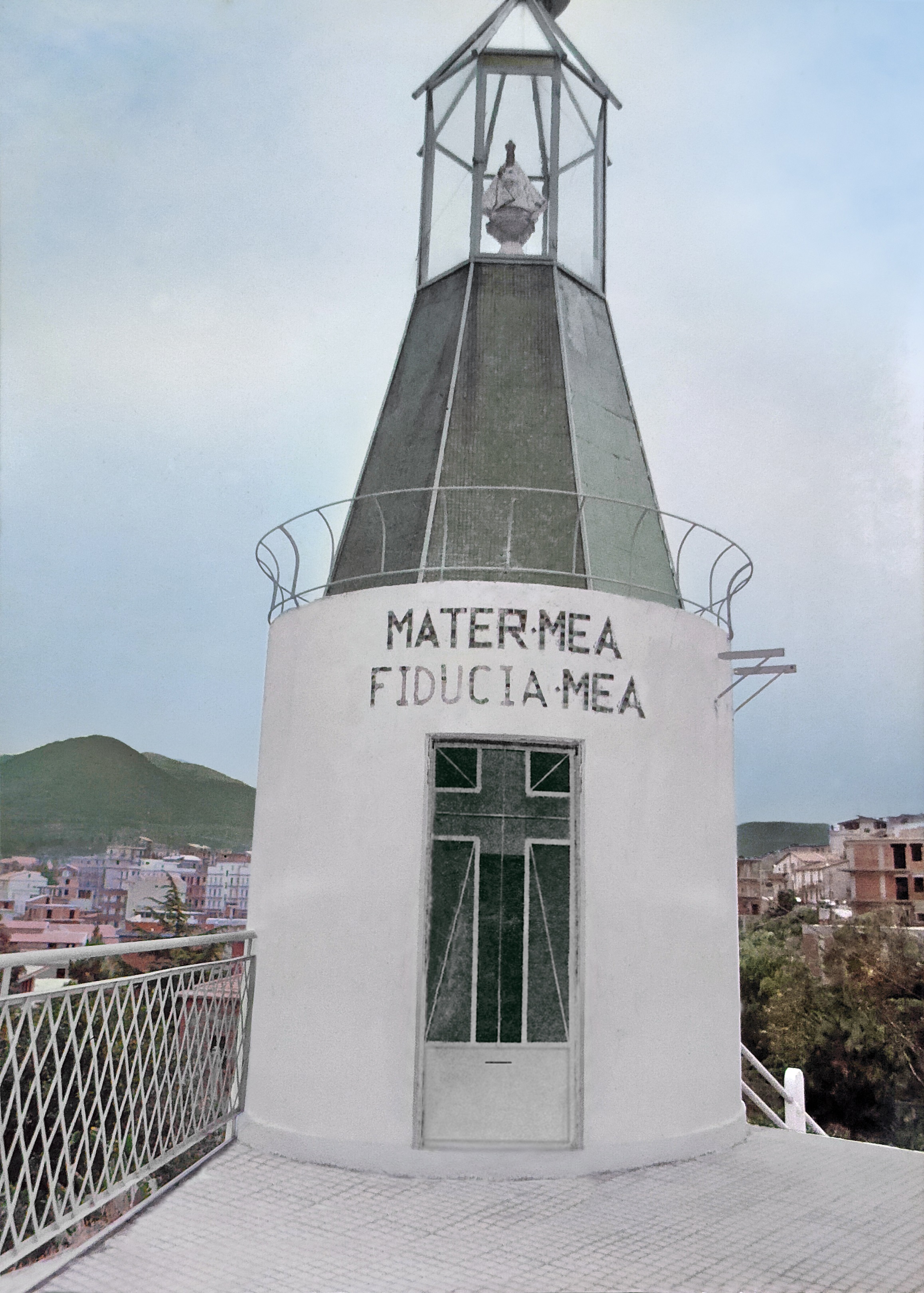 Photo 5
On the roof of the old pigeon tower was built the tabernacle that housed the small statue of the Black Madonna, that remained unchanged until 1986 (photo 6).
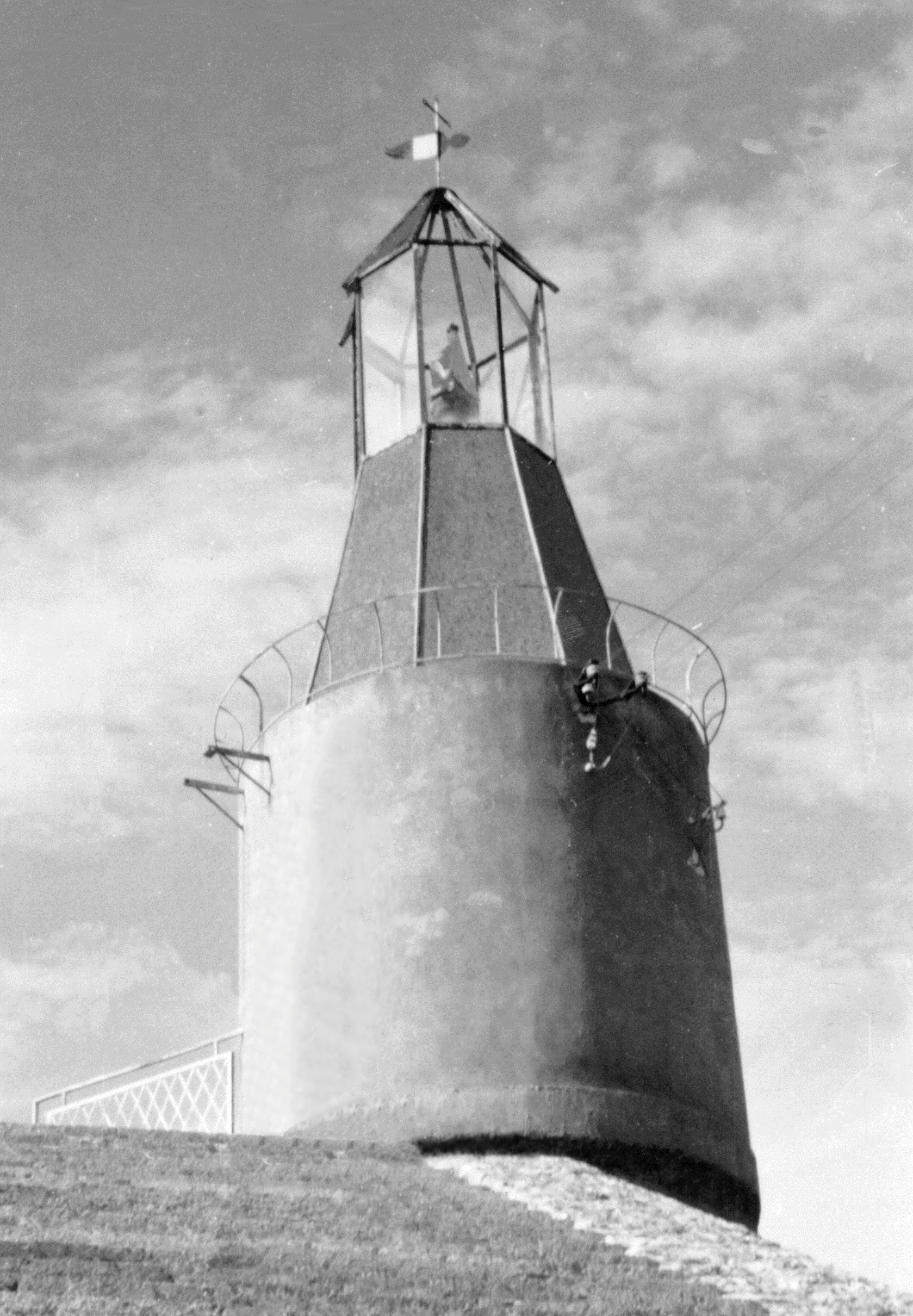 Photo 6
The base of the tabernacle has the shape of a truncated pyramid with a hexagonal base. The six trapezoidal faces were covered with green mosaic tiles, whose pose was the work of Virgilio Pirrotti. On it rested the tabernacle, made with an iron structure and pyramid-shaped cover on a hexagonal base, at the top of which stood a small weather vane flag, surmounted by a cross. The project of the tabernacle was carried out by the young Teodoro Vitanza then twenty years old. Between 1958 and 1960, during the administration headed by the mayor Basilio Lazzaro, the main staircase was built (photo 7),
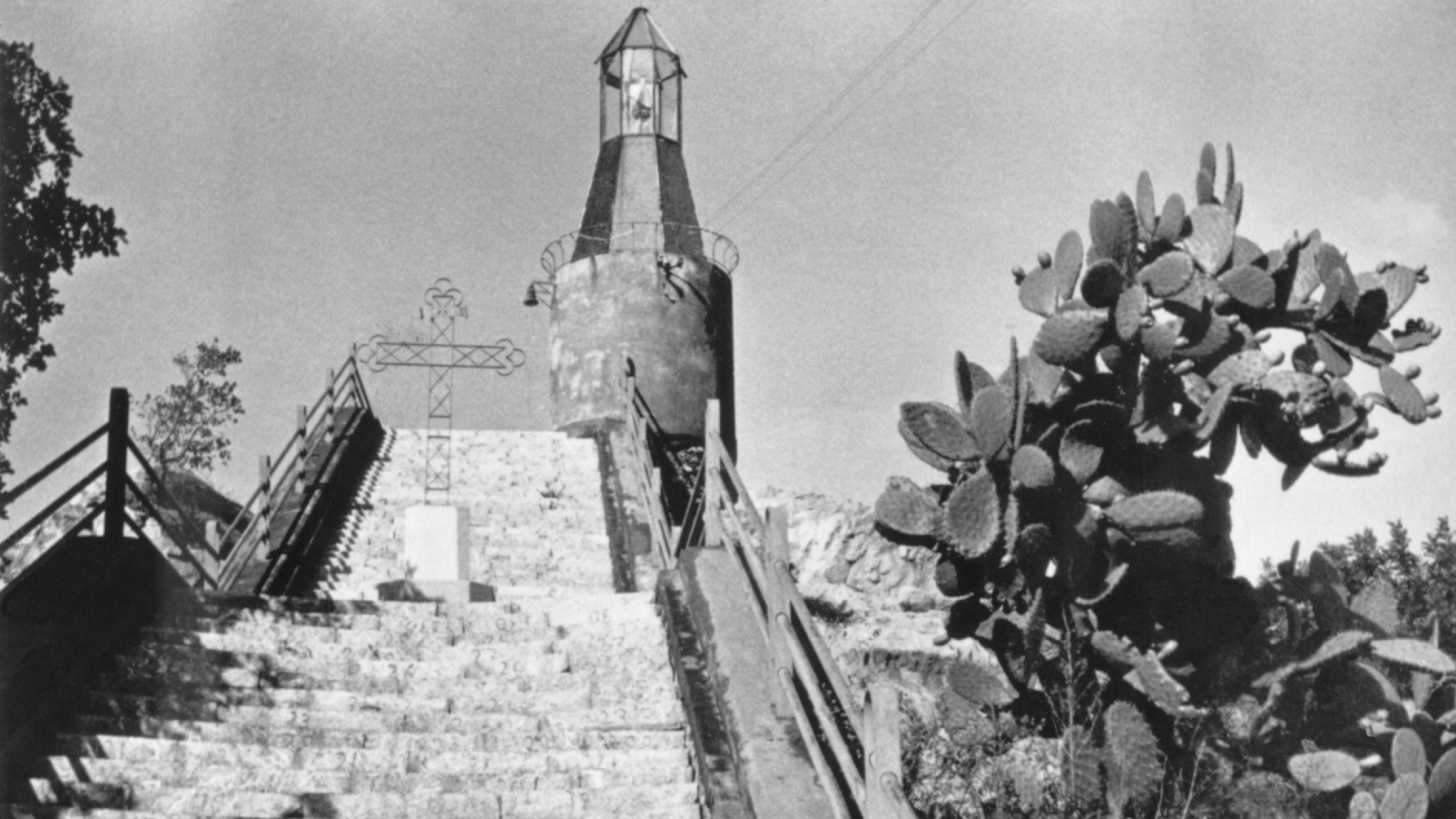 Photo 7
which from the underlying Via Provinciale goes up to the panoramic pitch. The construction, carried out by the Benedetto Versaci company, also included citizens of the town who volunteered. Of great importance was the economic contribution of the members of the two religious brotherhoods of the time, that of Our Lady of the Rosary and that of St. Anthony. In the mid-eighties, the Knight Giuseppe Grasso, mayor for over three decades, animated by his deep faith, was able to realize in the hamlet of Rocca, now on the threshold of 4000 inhabitants, two new religious works, the reconstruction and expansion of the Sanctuary of the Madonna del Tindari and the Church of the Madonna di Czestochowa, located downstream right in front of the Sanctuary. The project of the current Sanctuary was entrusted to the surveyor Francesco Sirna of Rocca di Capri Leone, who followed the directives of Giuseppe Grasso, main creator, and Benedetto Sgrò, a talented craftsman who supported him in the difficult enterprise. The expansion of the Sanctuary was carried out respecting the morphology of the places. To the right of the original staircase was built an avenue with access from the Via Provinciale, along which, on the right side were placed the tabernacles in which there are fifteen bronze figures representing the Mysteries of the Rosary (photo 8).
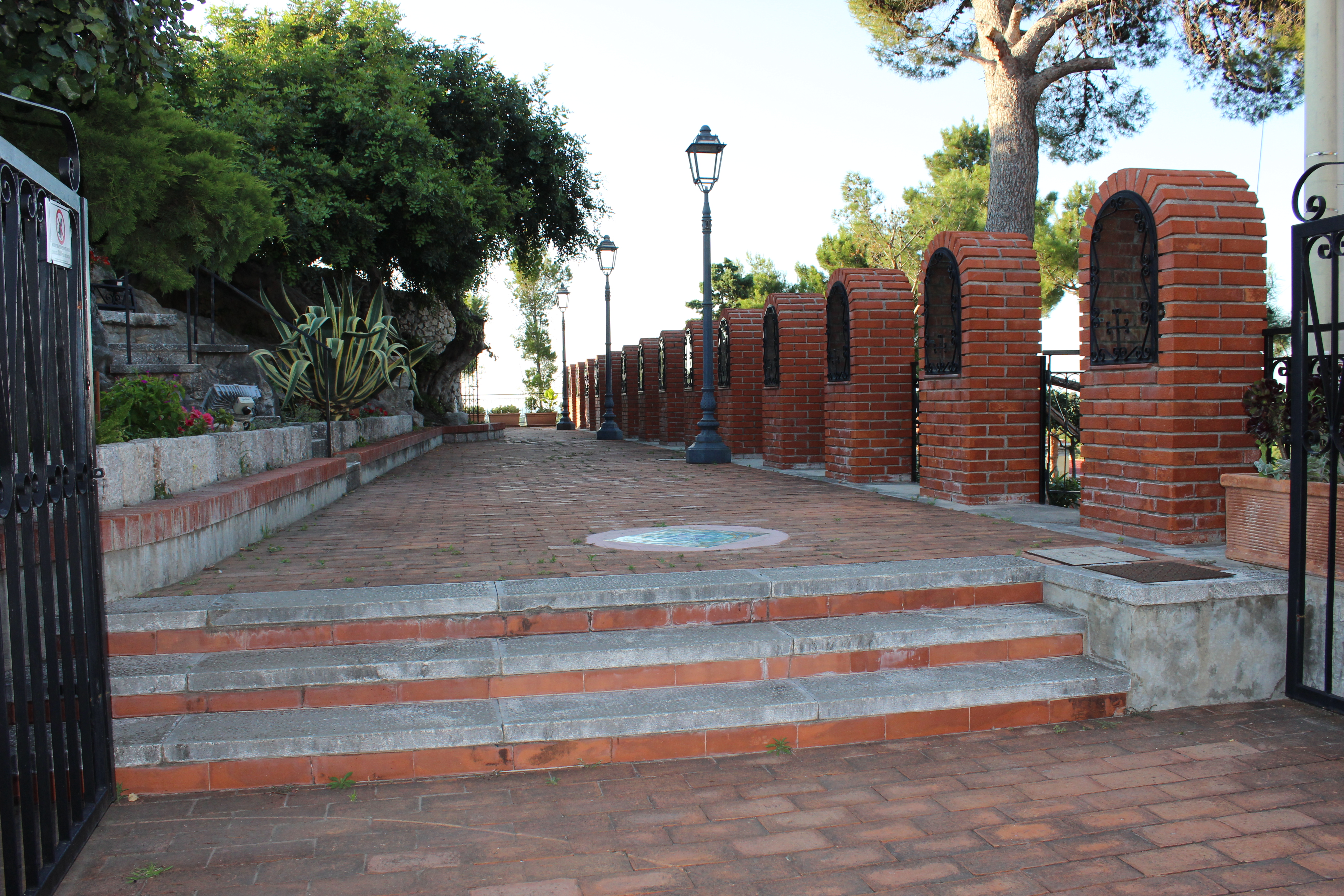 Photo 8
Between the main staircase and the new avenue is the tabernacle that houses a small statue of the Madonna del Tindari after the restoration of 1995, which returned the statue to its original configuration. On the left, the statue of St. Pio (photo 9)
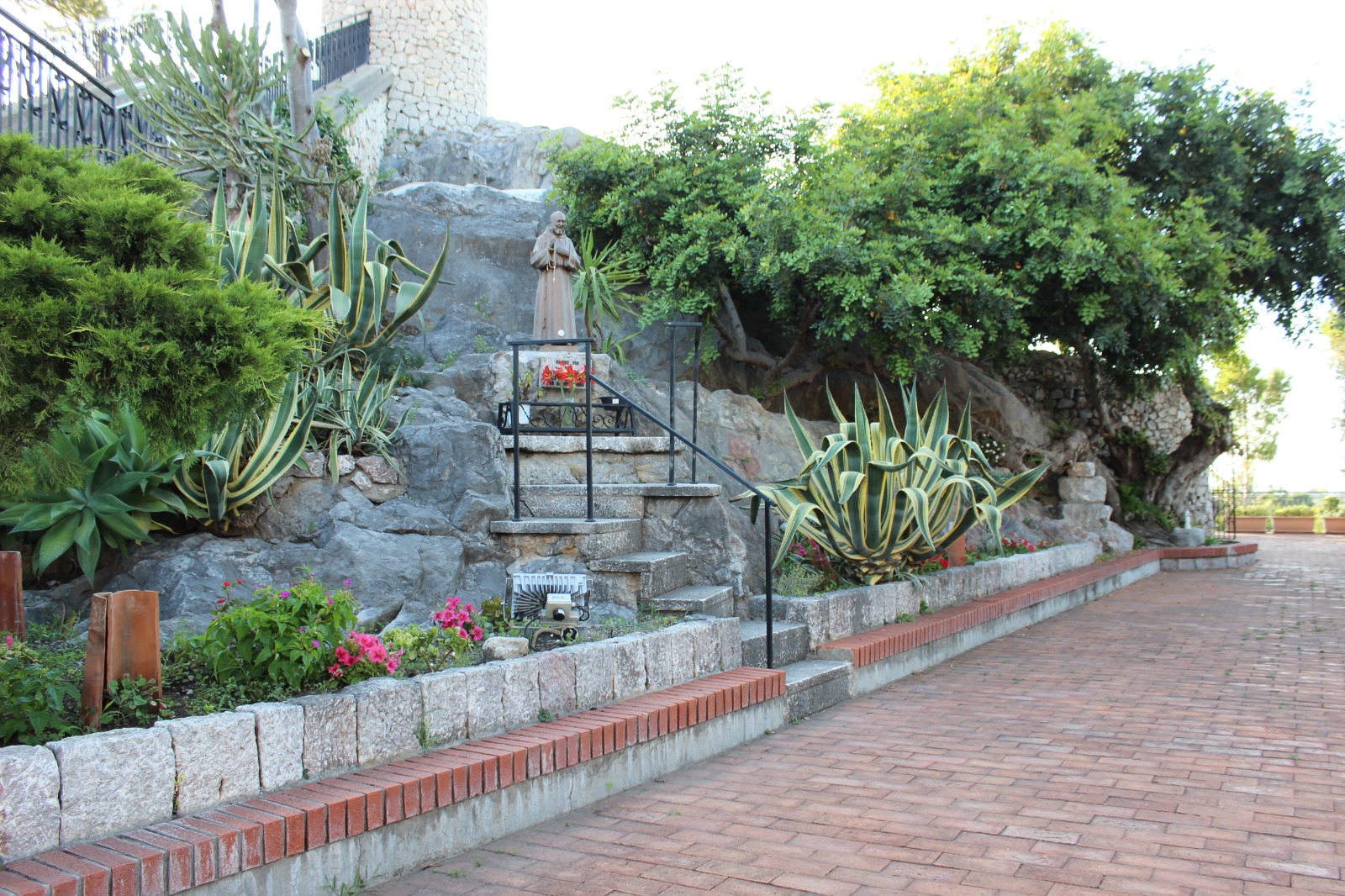 Photo 9
was placed, before the centuries-old carob tree characterized by a large branch developed horizontally. Advancing you reach the entrance of the cave, dedicated to the "Holy Virgin of Carmel" obtained in the caves of the old war post. Inside, the pathway from the lower pillbox, which houses a small altar (photo 10),
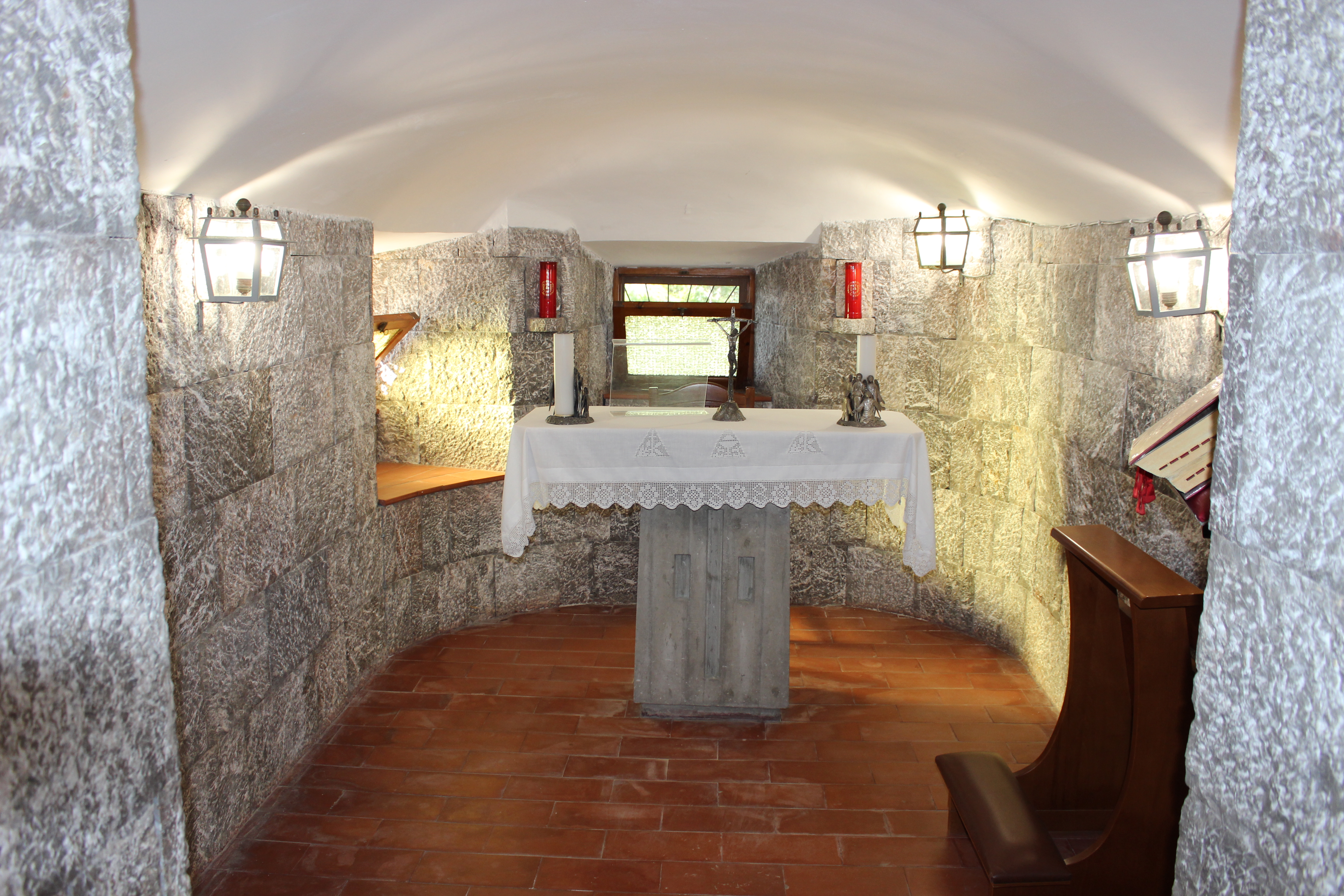 Photo 10
to the upper one, embellished with niches, the work of the craftsman Giuseppe Galati, with the statues of the Madonna del Carmelo, San Felice, Sant'Antonio and San Filippo Apostolo, up to the foot of the "Scala Consacrata", made by the craftsman Benedetto Sgrò. (photo 11).
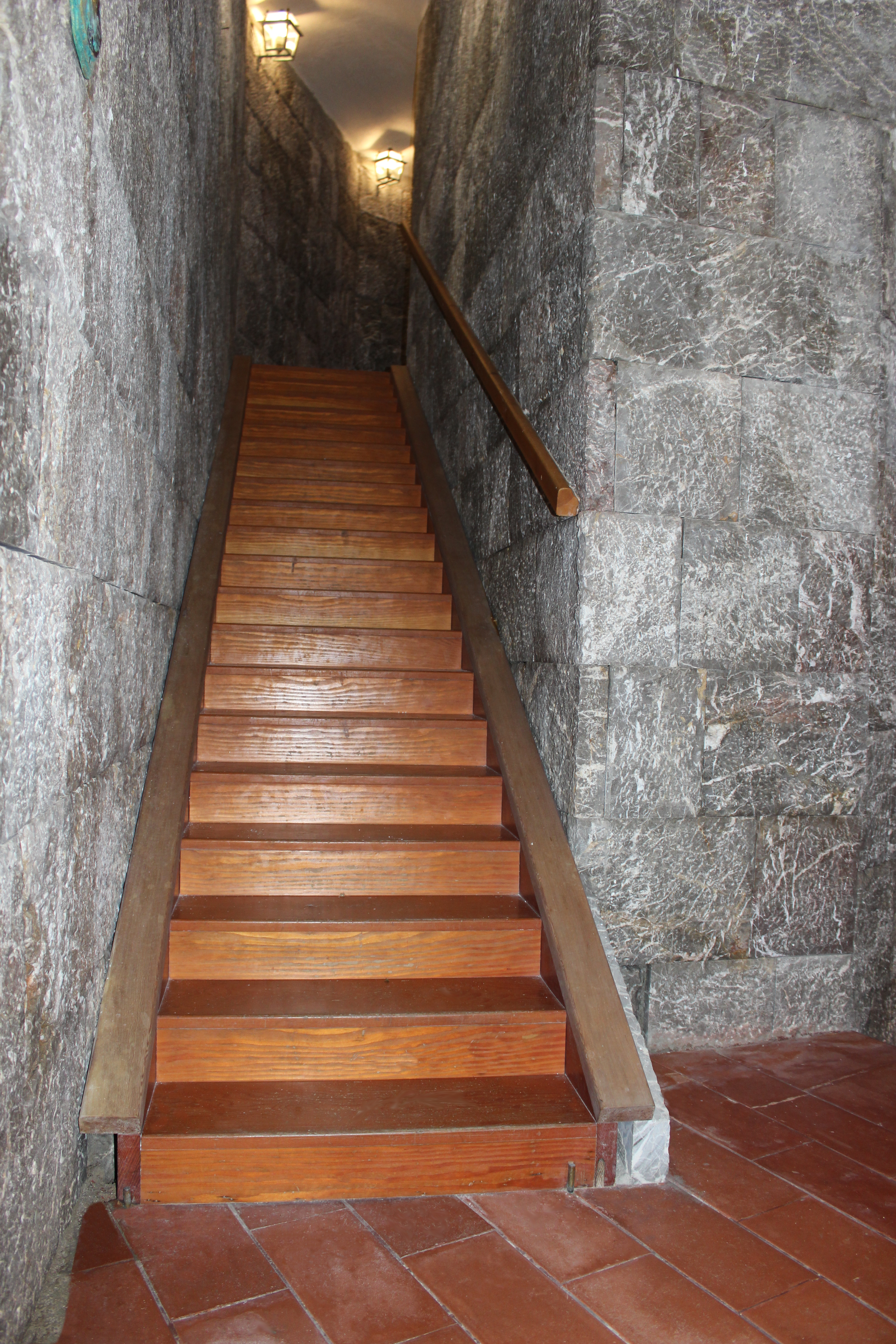 Photo 11
The steps are small, which the faithful, when possible, climb on their knees until they reach the upper cave, decorated by the artist Francesco Lonardo, where there is a small statue of the Black Madonna. The loopholes of the upper pillbox have been reopened, two of them have been transformed into windows while the third, facing north, has become the exit door, next to the illustrative information board. From this point the route doubles, along the descent, rejoins the avenue of the Mysteries, or continuing the climb, you reach the panoramic platform on which there is the base that supports the statue of the Madonna del Tindari, made depicting the Mysteries, in 1986, by the Roman sculptor Andrea Trisciuzzi (photo 12).
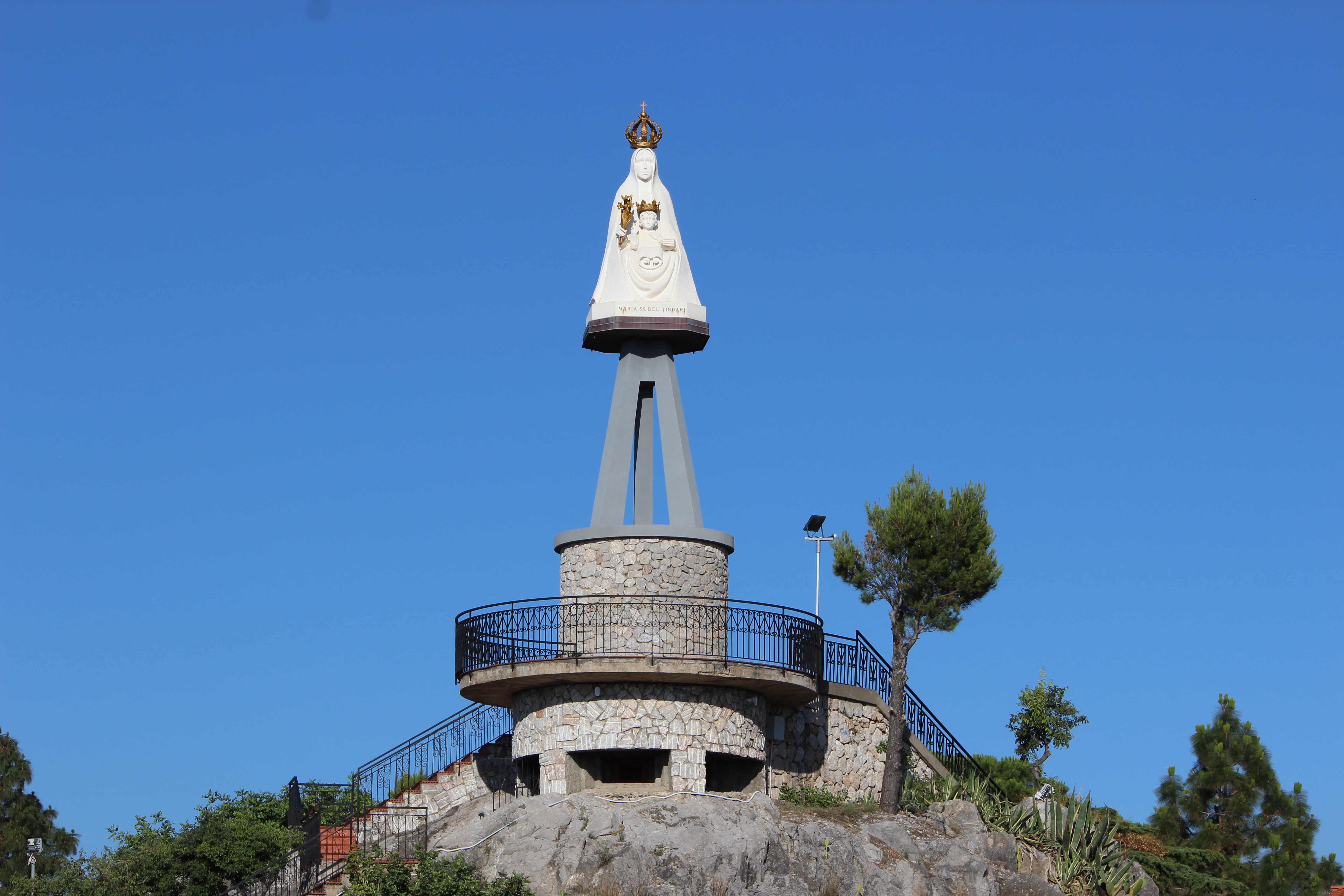 Photo 12
The installation of the large fiberglass statue, on the reinforced concrete pedestal, was particularly complex. The organisers after having ingeniously created a large scaffolding for lifting the statue, succeeded in the difficult task of attaching it to the base (Photo 13).
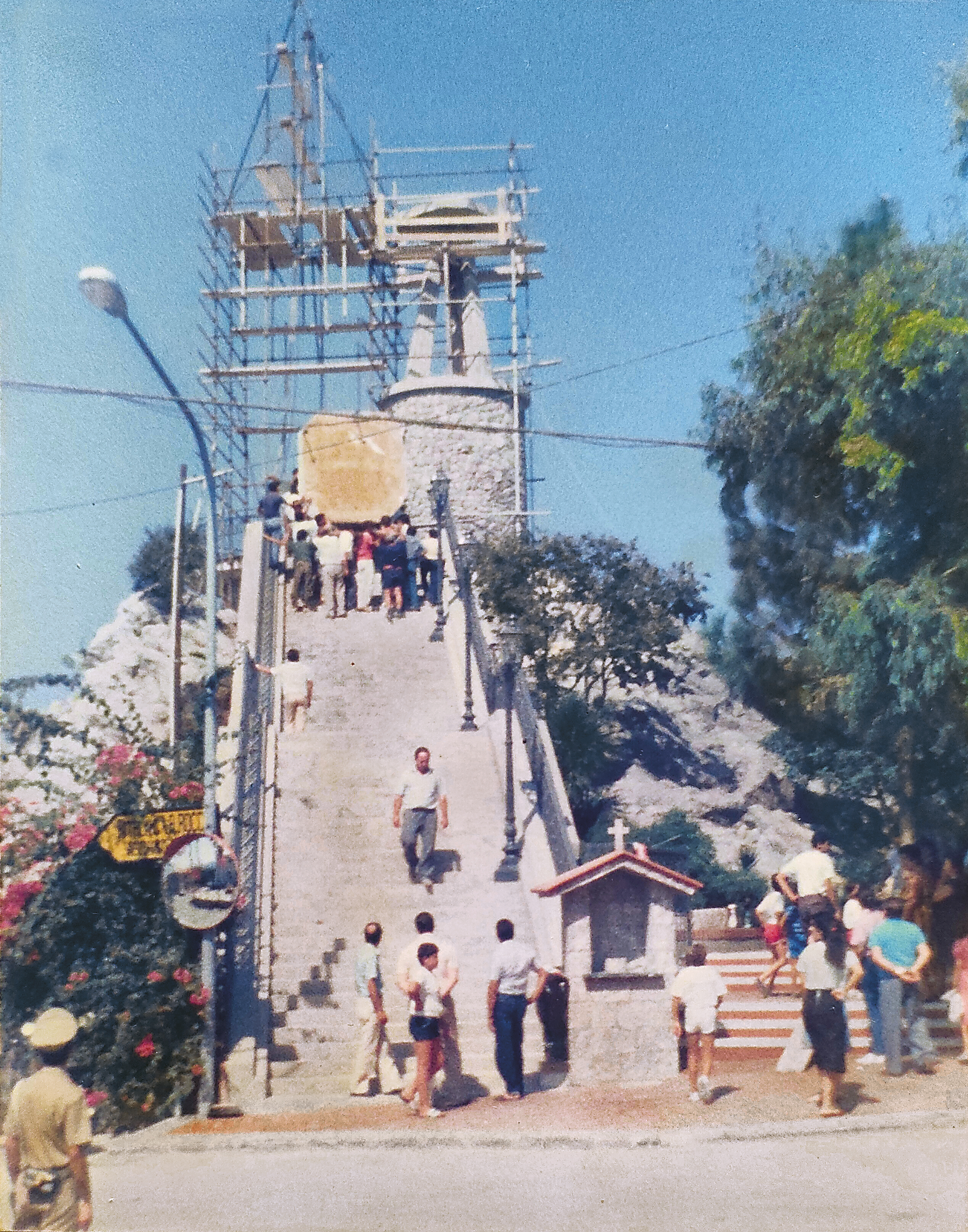 Photo 13
The inauguration took place on September 21, 1986 in a huge crowd (photo 14),
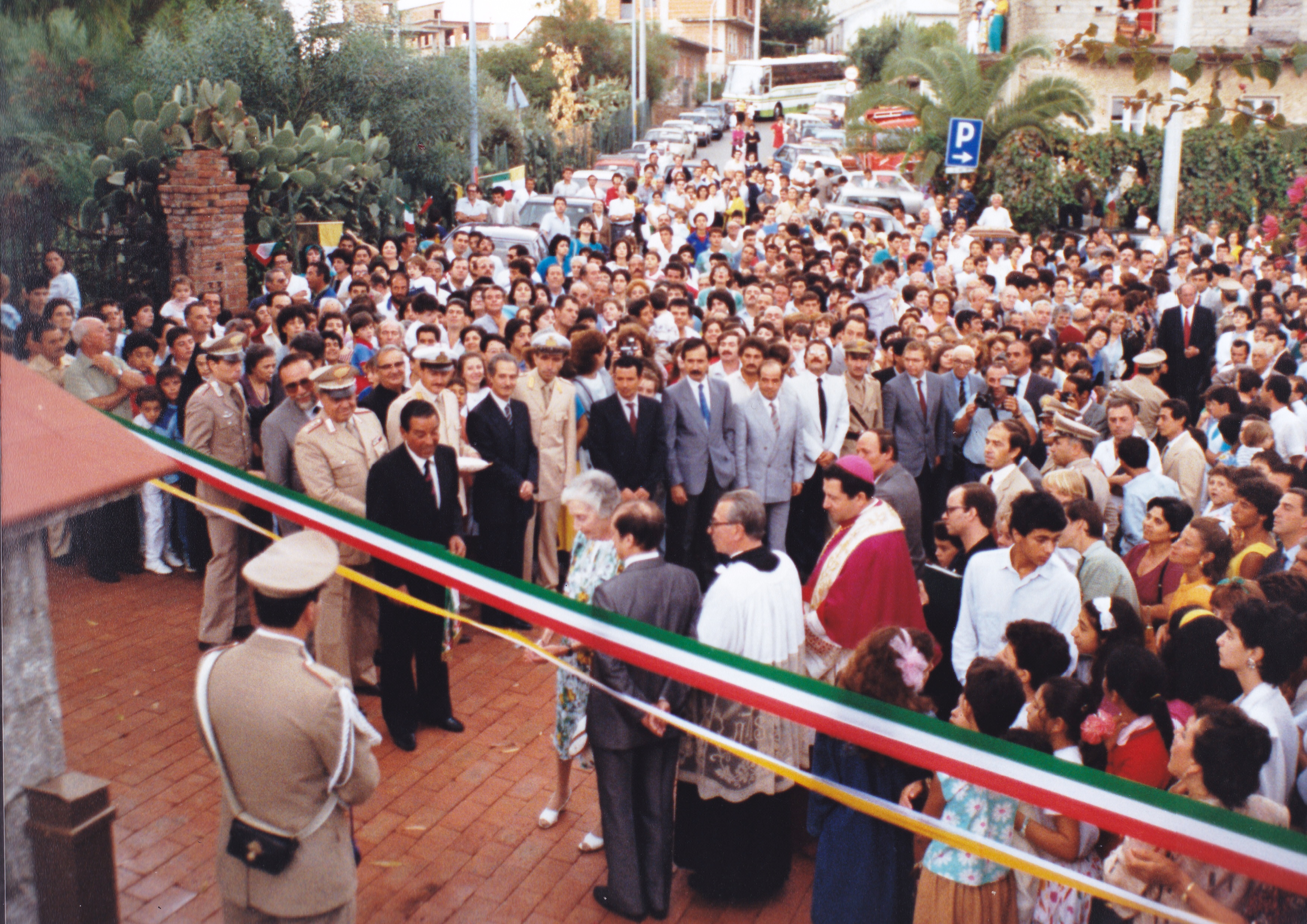 Photo 14
which was attended by numerous civil, military and religious authorities including the Bishop of Patti Monsignor Carmelo Ferraro. The ribbon cutting was performed by the honorable Maruzza Cupane. When the moment came to removing the cloth covering the statue, due to bad weather that preceded the ceremony, it got entangled in the crown of the Madonna. At that point a volunteer citizen, Santo Marina, bravely climbs to the top managing to untangle the cloth and finally revealing the statue (photo 15)
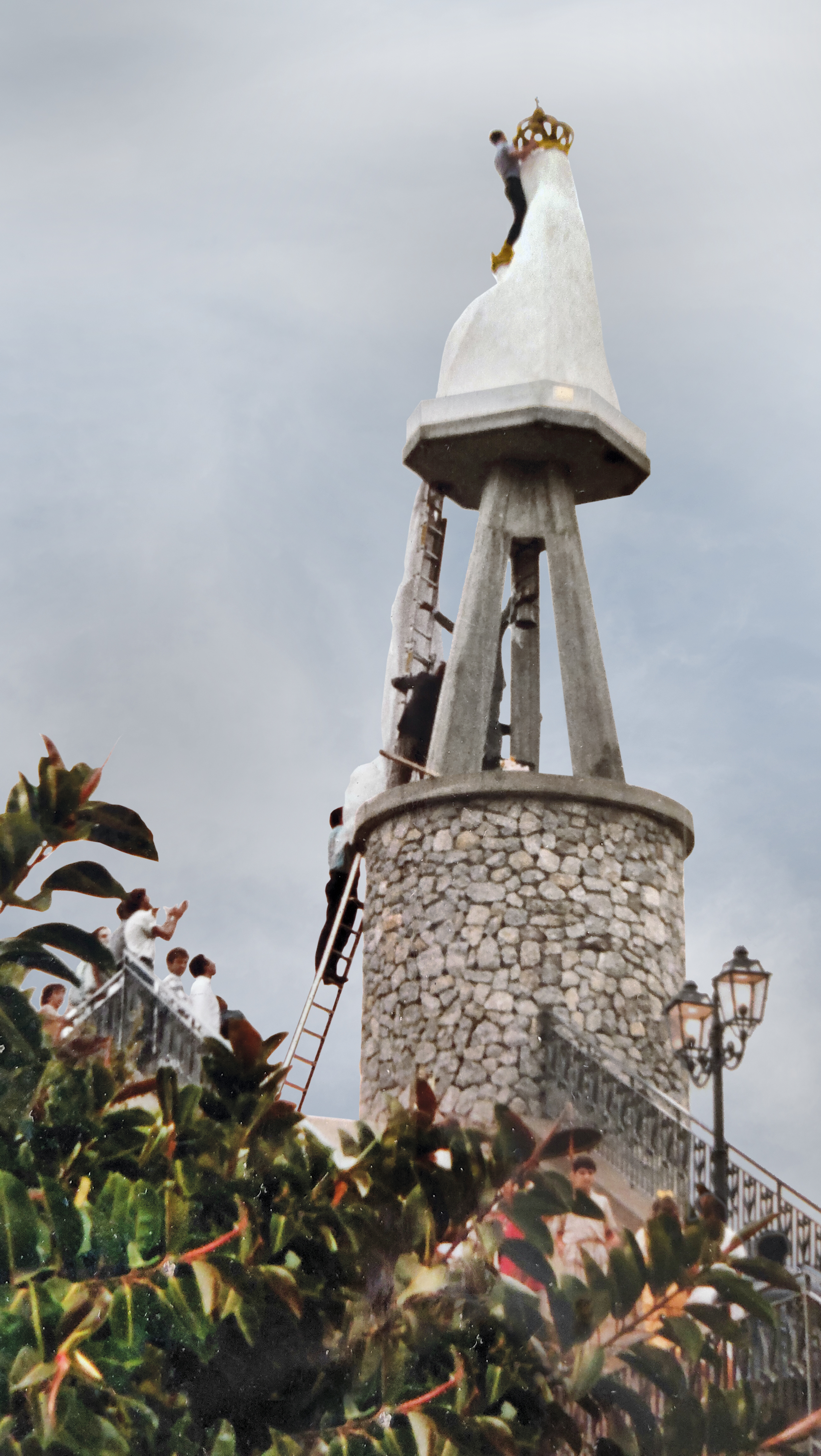 Photo 15
In 2017, during the maintenance of the pedestal and the base that supports the statue, the crowns of the Madonna and the Child and the lily held by the Madonna were replaced. These ornaments were made by the sculptor Mario Roberto Valenti of Rocca di Capri Leone and blessed by the Bishop of Patti Guglielmo Giombanco. Every year in May the main staircase is the scene of a characteristic floral display, curated by the local association "Movimento Giovanile", an event that over the years has become a moment of recollection for the entire community around the statue of the Madonna. (photo 16).
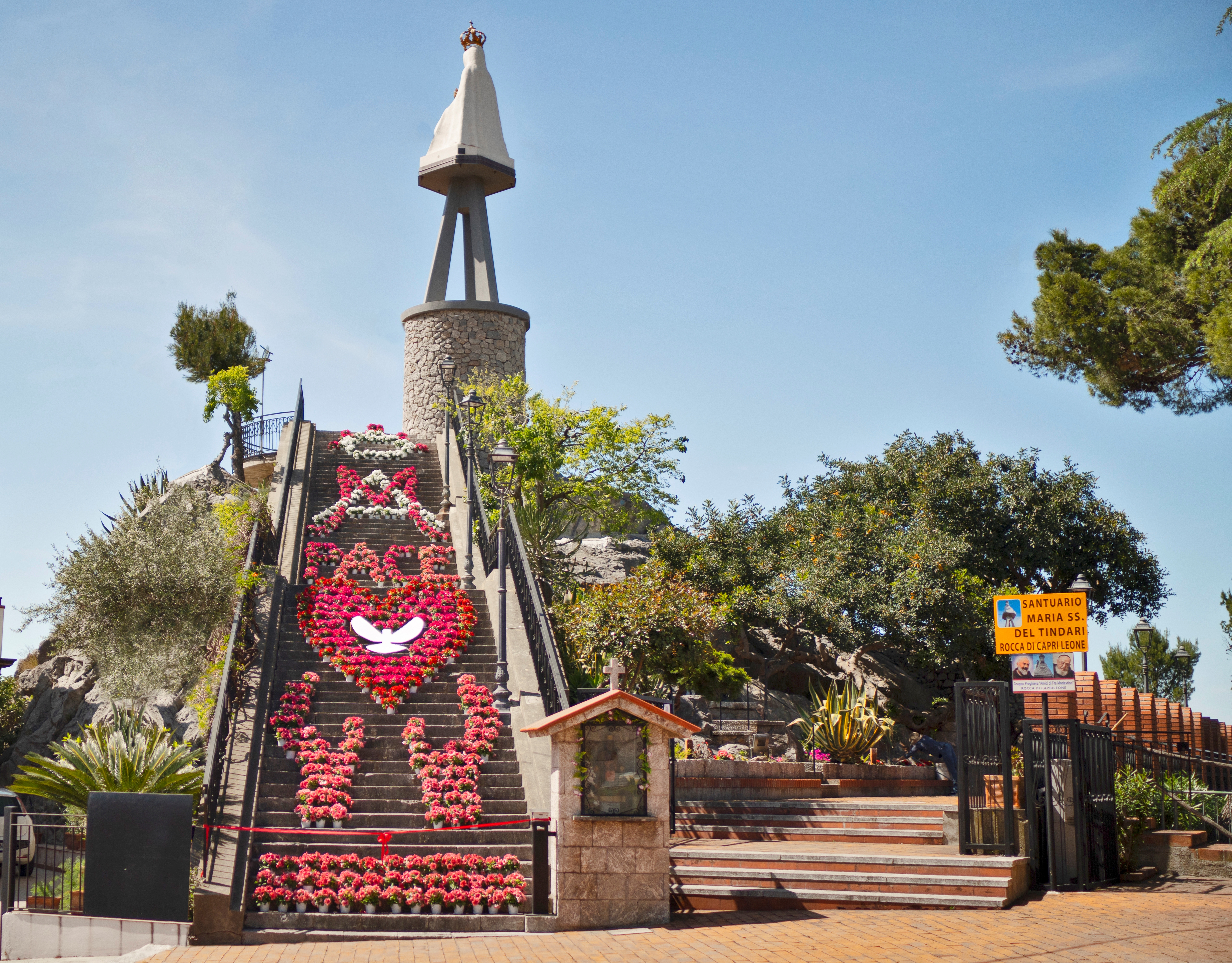 Photo 16
In 2025, the restoration work was completed, the flooring of the panoramic square was renewed, and an extraordinary novelty unique in Europe was introduced: the statue of the Madonna was equipped with a rotating mechanism that allows it to make a 360-degree turn. Every day at noon, to the sound of the Ave Maria, the gazes of Mary and the Baby Jesus embrace every corner of the town as a sign of protection and blessing. The initiative, born from an idea of the association 'Movimento Giovanile' and later pursued by the sanctuary's caretaker Nino Carcione, was made possible thanks to the contribution of the municipality of Capri Leone and the company 'Bruno Costruttori di Certezze,' which generously donated the mechanism. The work on the artistic and structural parts required the commitment of several professionals. The builder Salvatore Basile handled the complex structural work, while Mr. Nigrelli Giuseppe created the rotation mechanism. The sculptor Mario Valenti designed the perforated molding that decorates the octagonal base on which the statue rests, which was then skillfully crafted by the blacksmith Salvo Carbone.
Written by Giuseppe Vitanza
Translation by Anna Triscari